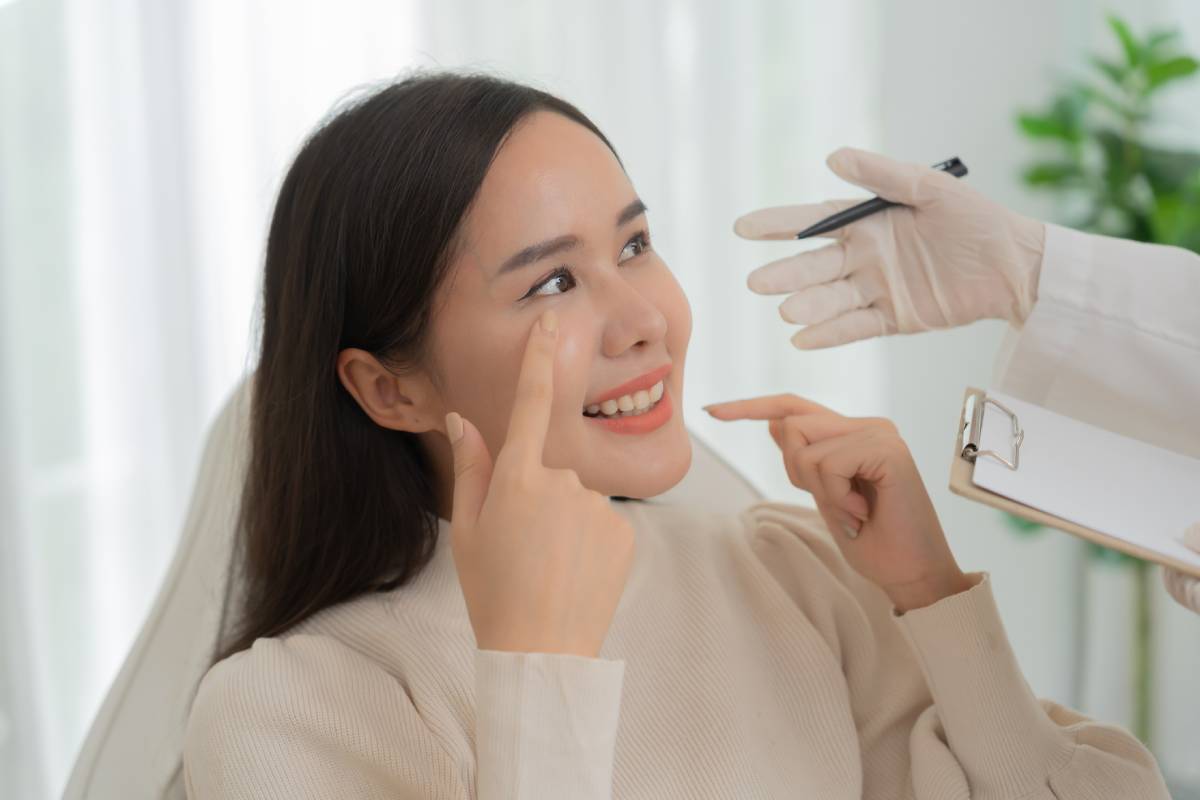
Having youthful, refreshed eyes has a major impact on your entire face. Eyelid surgery has so many aesthetic benefits. It addresses the signs of aging, rejuvenates your appearance, and can leave you looking years younger. It also comes with several aesthetic benefits. This includes protecting your eyes, improving comfort, and addressing functional issues. Two common eyelid surgeries improve the look and function of the eyes. Below are the differences between canthoplasty and traditional eyelid surgery.
Differences Between Canthoplasty and Traditional Eyelid Surgery
Understanding how
canthoplasty and traditional eyelid surgery differ helps you make an informed decision about which procedure is right for you. Each surgical approach addresses specific concerns. The right choice for you depends on your anatomy and personal goals.
Traditional Eyelid Surgery
Traditional eyelid surgery focuses on either the upper or lower eyelids. Both target the signs of aging around the eyes.
Traditional Upper Eyelid Surgery
Upper eyelid surgery targets the loose skin above the eyes. Natural aging, genetics, and poor lifestyle habits can impact the eyes. This can lead to fine lines, wrinkles, skin sagging, and heaviness above the eyes. For some people, the issues are just cosmetic. However, other people also experience functional issues due to heavy upper eyelids. This can impact daily activities, such as driving or reading.
Upper eyelid surgery involves removing excess skin and fat from the upper eyelid. The upper eyelid muscles are also tightened. Upper eyelid surgery addresses skin sagging, puffiness, and heaviness. The procedure improves the upper eyelid contour. It leaves your eyes refreshed and open. The results improve your appearance and take years off your face.
Traditional Lower Eyelid Surgery
Lower eyelid surgery targets under-eye bags and hollowness. As with the upper eyelids, natural aging, genetics, and poor lifestyle habits can cause issues with the under-eye area. This includes under-eye bags, puffiness, hollowness, fine lines, wrinkles, and sagging skin. These issues can make you look tired, even when you are well-rested. They can also make you look angry and much older than you are. In some cases, heavy under-eyes can affect the function of your eyes.
Lower eyelid surgery involves removing the excess skin under the eyes. Fat is either removed or repositioned to smooth the under-eye area. A skilled
oculofacial plastic surgeon removes under-eye bags and creates a seamless contour between the lower eyelid and the upper cheek. This can take years of your life as it addresses the signs of aging under the eyes. Many patients report a boost in self-confidence from the results.
Canthoplasty
Canthoplasty is a procedure that tightens and repositions the outer corner of the eyelid. This area is called the lateral canthus. It plays a major role in eyelid support and the shape of the eye. The procedure does not involve the removal of excess skin or fat, as traditional eyelid surgery does. Canthoplasty is focused on strengthening the eyelid structure. It improves eye stability and symmetry.
Canthoplasty is an effective procedure for several issues. It addresses lower eyelid laxity and eyelids that pull away from the eye. It is also effective in addressing eyes that droop or are rounded. Functional issues, such as tearing and irritation, can be improved with canthoplasty. While both procedures involve the eyelids, they serve different goals. In many cases, the procedures can be combined to achieve both functional and cosmetic improvements.
Canthoplasty Procedure
Canthoplasty is a specialized procedure that addresses the anatomy and function of your eyelids. The first step in proceeding with the procedure is a consultation with a skilled oculofacial plastic surgeon. They will assess your eyelid structure, symptoms, and discuss your goals with you. From there, they will determine if you are a good candidate for the procedure. If canthoplasty is right for you, you can move forward with scheduling your surgery.
The procedure is typically performed under local anesthesia with sedation. However, some people undergo general anesthesia. This happens when the case is complex or when you are having multiple procedures at the same time. The type of anesthesia to be used will be discussed at your consultation, so you are prepared on the day of surgery.
Once you are sedated, the surgeon will create a small incision near the outer corner of the eye. Once the eyelid incision is made, the tendon is tightened and reposited. It is secured in a more supportive position. The incision is carefully closed to minimize visible scarring. The surgeon’s primary goal is to create a natural-looking eyelid shape while also improving the support and function.
Recovering from Canthoplasty
Recovering from canthoplasty is seamless and manageable. The process takes roughly two weeks. However, the timeline can differ from patient to patient. Understanding the recovery process can help you set realistic expectations.
First Week After Surgery
The first week after surgery should focus primarily on rest. It is helpful to have a trusted friend or family member stay with you. They can help prepare meals, administer your medication, and assess your symptoms. Having someone with you for the first week can be very helpful for your recovery.
You may notice swelling, bruising, tightness, and mild soreness. This is completely normal and should gradually subside as you recover. To help manage your symptoms, it is important to take your prescribed medication. Use cold compresses to reduce swelling. It is also helpful to keep your head elevated while sleeping.
Second Week After Surgery
The second week is often much easier than the first week. You may notice a reduction in swelling and bruising. Most people do not experience any discomfort at this point. It is beneficial to take gentle walks during this time. It can help promote circulation and improve the healing process.
Avoid strenuous activities, heavy lifting, or vigorous exercise until your surgeon clears you. It is also important to attend all of your follow-up appointments. Your surgeon can assess your recovery process and make any necessary adjustments.
Top Oculofacial Plastic Surgeon
The appearance of your eyes has a major impact on your entire facial aesthetic. If you are unhappy with the look of your eyes, contact the team at Oculofacial Plastic Surgery of Hawaii today to schedule your consultation!